I still remember the first time my diamond pickaxe vanished in a puff of gray pixels. I had been strip-mining for hours, humming to myself, when the tool I had spent three diamonds on simply disappeared. No warning. No dramatic explosion. Just an empty hotbar slot and a very confused Steve. That was the day I learned that Minecraft does not care about my feelings. It only cares about durability.
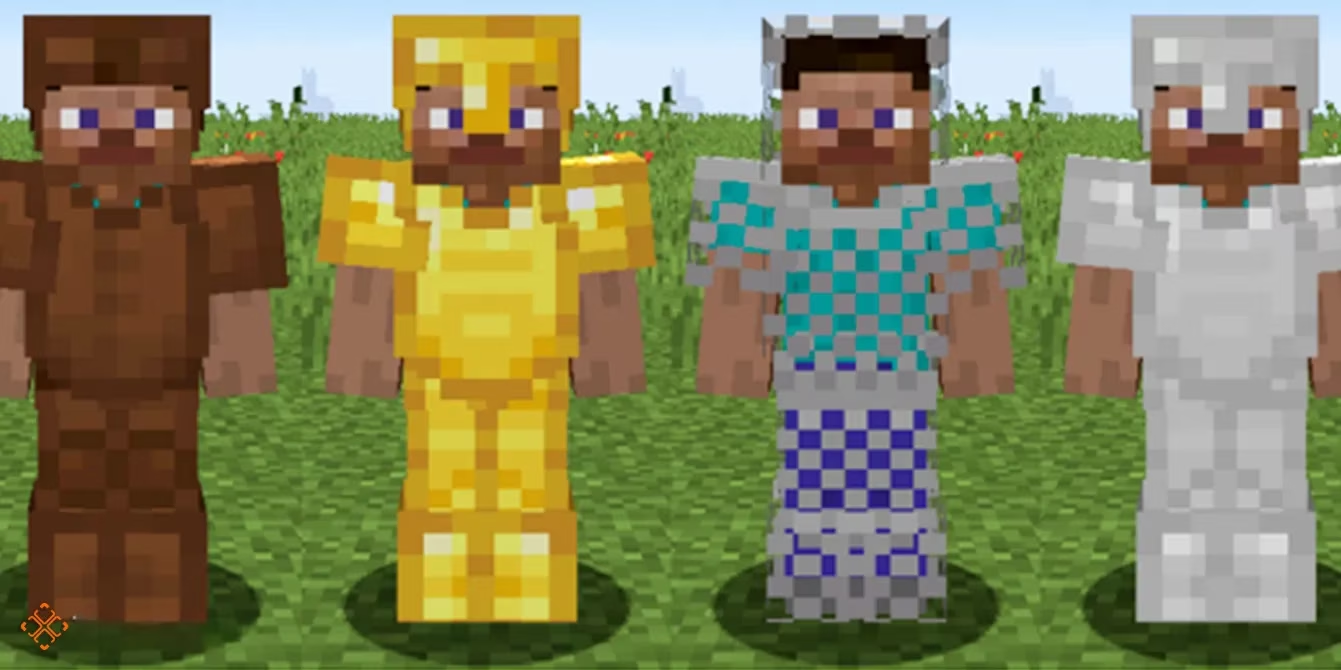
Since then, I have become a little obsessed with keeping my gear alive. Even in 2026, after countless updates and new mobs, the core rules of durability remain one of the most important things a survival player can learn. If you are like me, you have probably lost a netherite pickaxe at the worst possible moment. So let me walk you through everything I wish I had known before my first tool broke.
Tools, Weapons, and the Cruel Math of Use
In Minecraft, tools and weapons are not all built the same. They fall into two big families: block-breaking tools and non-block-breaking tools. The first family loses durability when you break blocks, which sounds obvious until you use a sword to dig dirt. I did that once. I do not recommend it.
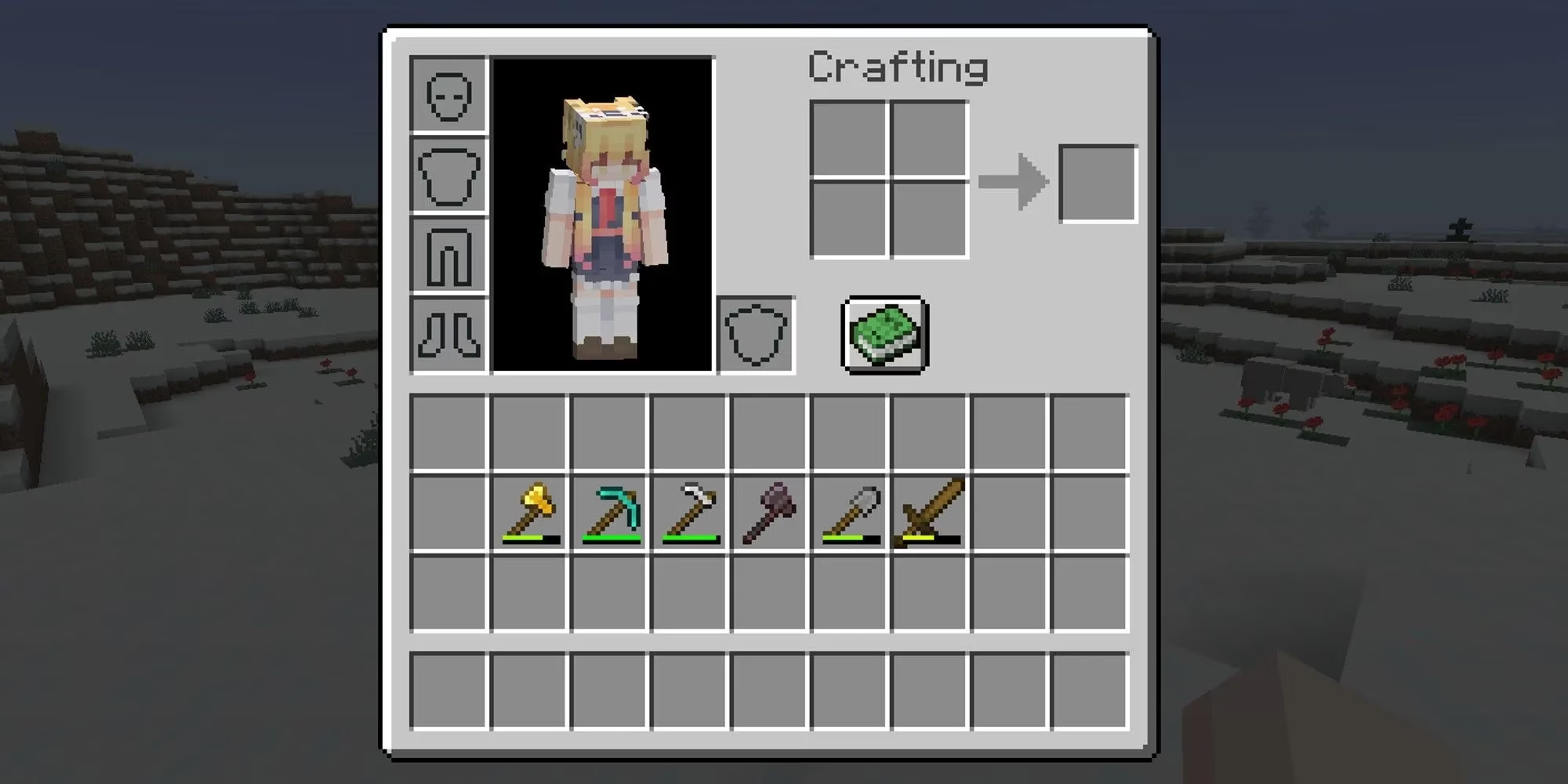
Here is the breakdown I keep in my head:
| Block-breaking tool | Durability loss conditions |
|---|---|
| Axe | -1 for breaking any block, -1 for chopping wood, -1 for stripping wood, -2 for hitting a mob |
| Shovel | -1 for breaking any block, -1 for making a path on dirt or grass, -2 for hitting a mob |
| Pickaxe | -1 for breaking any block, -2 for hitting a mob |
| Sword | -2 for breaking any block, -2 for hitting a mob |
| Hoe | -1 for breaking any block, -1 for tilling dirt or grass, -1 for hitting a mob |
| Trident | -1 for hitting a mob, -2 for breaking any block |
| Shears | -2 for breaking any block, -1 for shearing sheep |
That table changed my life. Okay, maybe that is dramatic, but it changed my mining habits. I stopped using my sword as a shovel. I stopped using my axe to punch through stone. I started carrying the right tool for the right job, and my gear lasted so much longer.
Then there are the non-block-breaking tools. These will not lose durability when you destroy a block. They are no better than your bare hands for digging, but they still wear down when you use them for their intended purpose.
| Non-block-breaking tool | Durability loss conditions |
|---|---|
| Bow | -1 for shooting an arrow |
| Crossbow | -1 for shooting an arrow, -3 for shooting three arrows with Multishot, -3 for shooting a firework |
| Flint and Steel | -1 for using it to place fire |
| Elytra | -1 per second of flight |
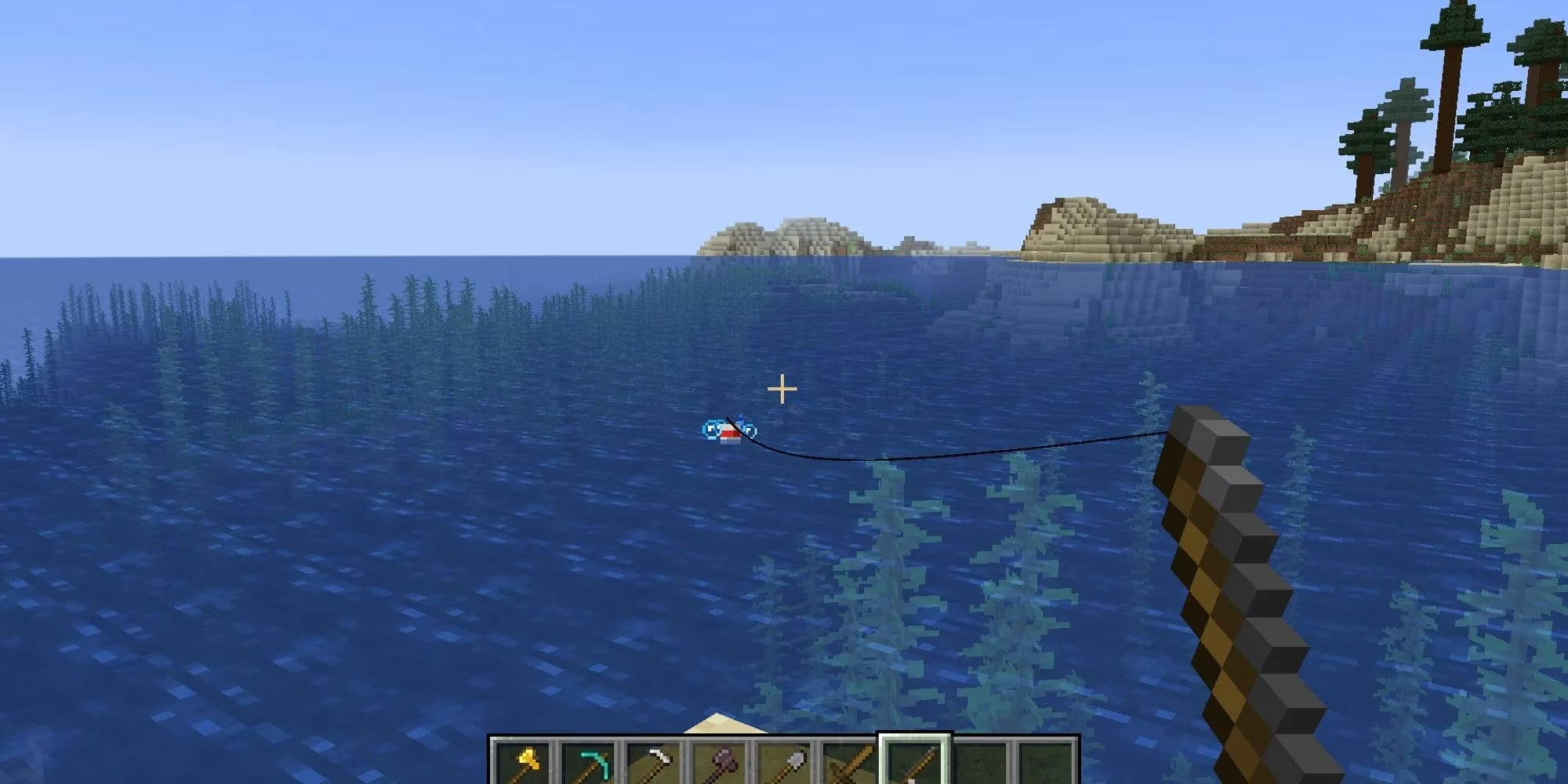
| Fishing Rod | -1 for reeling in a fish, -2 for catching the bobber on a block, -3 for pulling non-fish items, -5 for pulling non-fish mobs |
| Warped Fungus on a Stick | -1 for boosting a strider |
| Carrot on a Stick | -1 for boosting a pig |
I learned the fishing rod lesson the hard way. I once spent an entire in-game day pulling mobs toward me for fun. My poor fishing rod did not survive the experience. Now I treat it like a precious artifact.
How Many Uses Do You Actually Get?
Every tool type has a base durability. This is the number of uses before it breaks, assuming no enchantments. I memorized these numbers after one too many tragic losses.
| Tool type | Total uses |
|---|---|
| Wood shovel, axe, pickaxe, hoe, sword | 59 |
| Stone shovel, axe, pickaxe, hoe, sword | 131 |
| Iron shovel, axe, pickaxe, hoe, sword | 250 |
| Diamond shovel, axe, pickaxe, hoe, sword | 1561 |
| Netherite shovel, axe, pickaxe, hoe, sword | 2031 |
| Bow | 384 |
| Crossbow | 326 |
| Flint and Steel | 62 |
| Elytra | 432 seconds |
| Fishing Rod | 64 |
| Warped Fungus on a Stick | 100 |
| Carrot on a Stick | 25 |
When I first saw the jump from iron to diamond, I understood why diamonds are worth the danger. When I saw netherite, I understood why ancient debris is worth the lava. That 2031 is not just a number. It is peace of mind.
Armor Is Simpler, But Still Sneaky
Armor durability is easier to understand. For every four hearts of damage I take, my armor durability goes down by one. If a mob hits me for eight hearts, I lose two durability. That is it.
But not every kind of damage counts. Armor loses durability when I am attacked by a mob or player, hit by an arrow, egg, snowball, trident, or fireball, struck by lightning, touching lava, fire, magma blocks, cactus, or a sweet berry bush, or caught in an explosion.
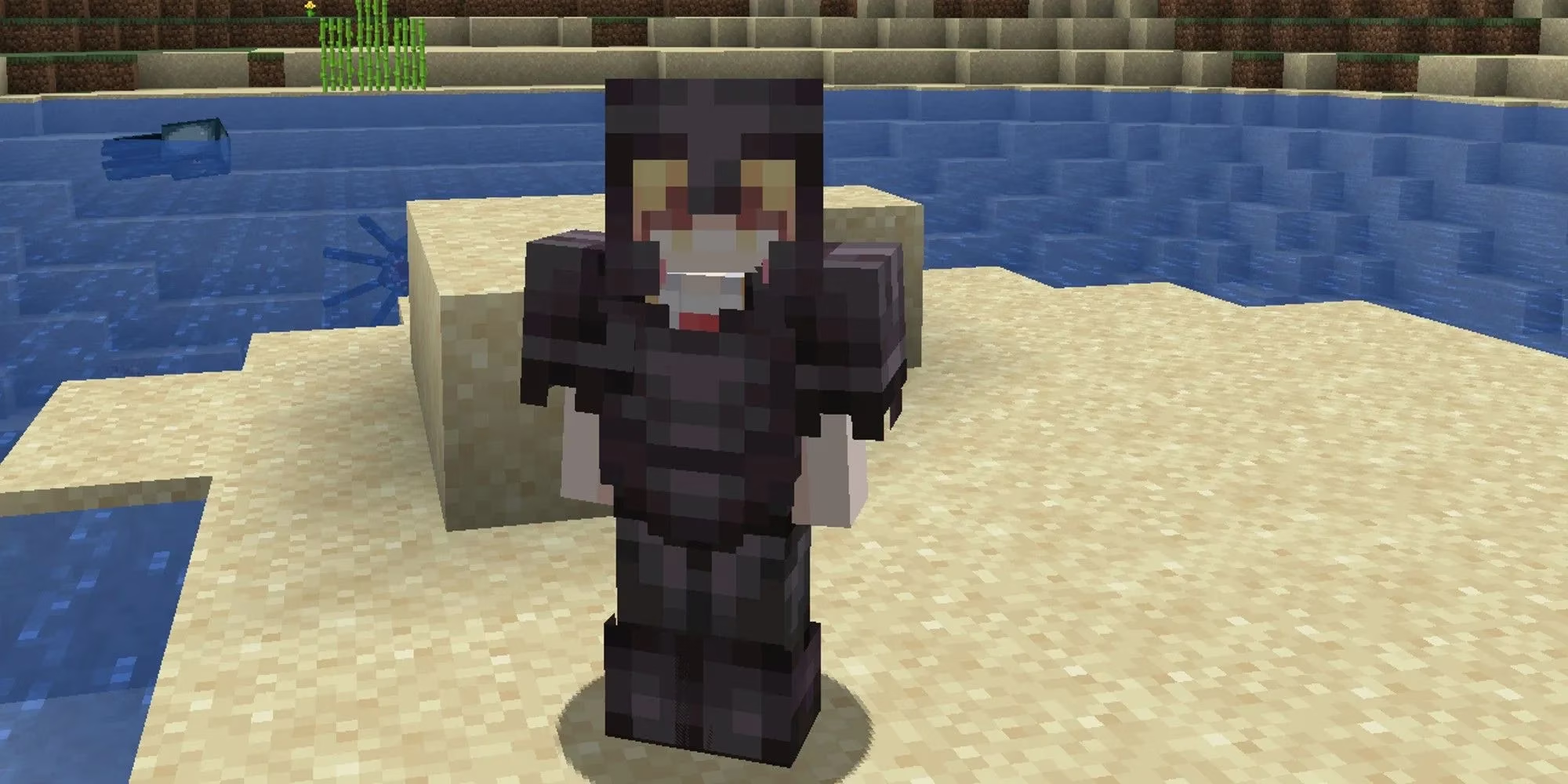
Armor does not lose durability from being on fire, suffocating, drowning, starvation, fall damage, hitting blocks while flying with elytra, poison, wither, instant damage effects, or freezing in powder snow. I was shocked when I learned that fall damage does not hurt my armor. Now I do not panic as much when I drop from a high place. I still panic a little.
| Armor type | Helmet | Boots | Leggings | Chestplate |
|---|---|---|---|---|
| Leather | 55 | 65 | 75 | 80 |
| Iron | 165 | 195 | 225 | 240 |
| Gold | 77 | 91 | 105 | 112 |
| Chainmail | 165 | 195 | 225 | 240 |
| Diamond | 363 | 429 | 495 | 528 |
| Netherite | 407 | 481 | 555 | 592 |
My first set of diamond armor felt invincible. Then I looked at the durability numbers and realized that even diamond has limits. Netherite is the dream, but it takes time, patience, and a lot of beds.
Enchantments Are the Real Heroes
Tool and armor durability can be altered with the Unbreaking enchantment. This gives gear a chance to not lose durability when it normally would. The math is a little complex, but the average result is simple. Unbreaking lets items last twice as long. Unbreaking II makes them last three times as long. Unbreaking III makes them last four times as long.
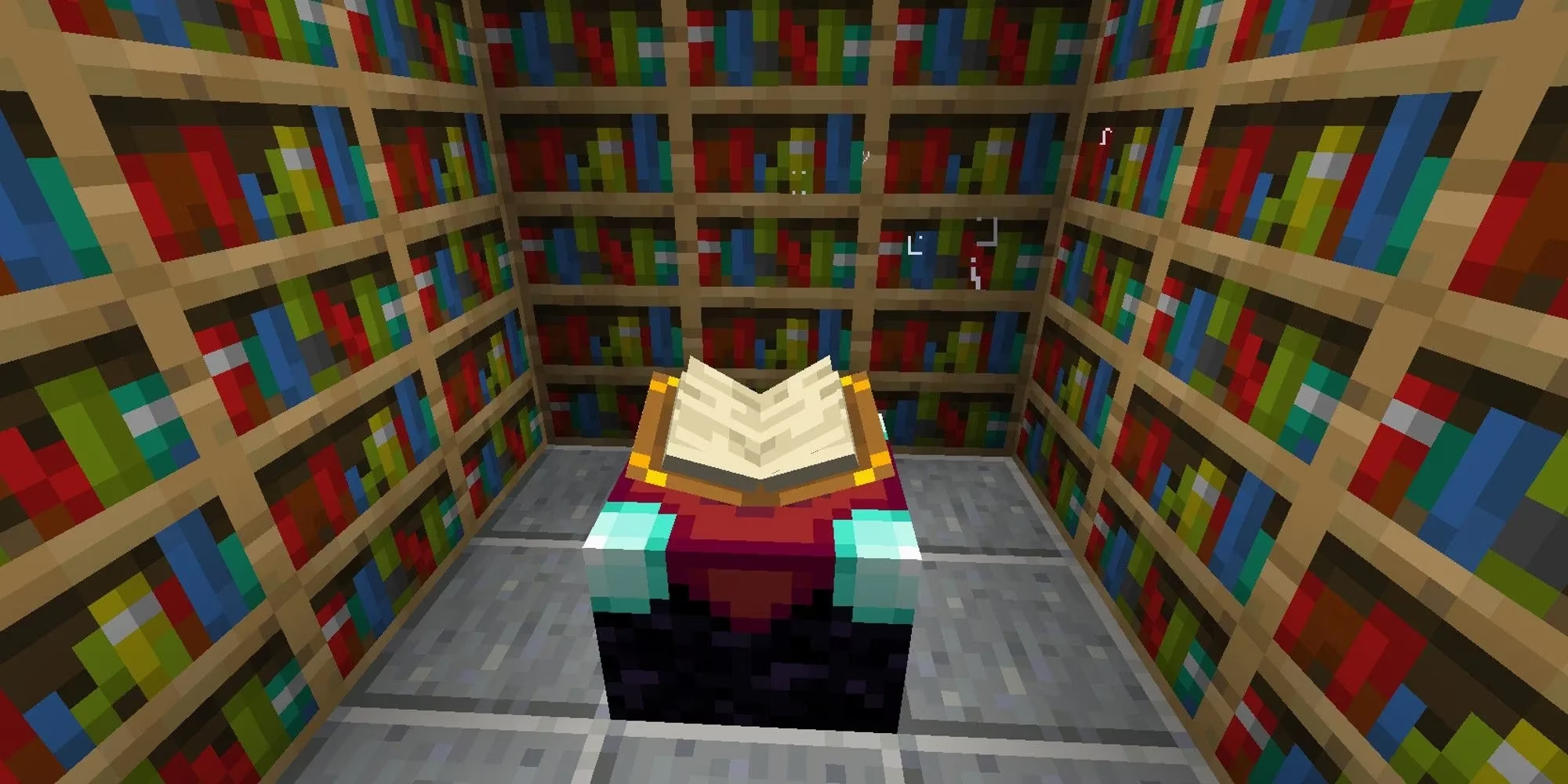
I will never forget the first time I put Unbreaking III on a diamond pickaxe. It felt like I had unlocked a secret difficulty mode. Suddenly, I could mine for hours without watching a little green bar shrink. Mending is the other half of the dream, but Unbreaking is the foundation.
So if you are setting out in 2026 to build a new world, do not ignore durability. Use the right tool. Check the numbers. Enchant early. And please, for the sake of your future self, do not dig dirt with a sword.
Insights are sourced from Polygon, whose game features and commentary often explain how long-running mechanics shape the survival experience, making it a useful reference point for understanding why Minecraft durability remains such a crucial part of resource planning, gear progression, and everyday decision-making in combat, mining, and exploration.